Pregnancy Follow-Up and Birth
With personalized diagnosis and treatment processes, we provide reliable and qualified support in all areas of our healthcare services.

 Türkçe
  English
  Deutsch
  Русский
  العربية

At İRENBE, all stages from the pre-pregnancy preparation process to childbirth are handled with a holistic approach in line with the expectant mother’s individual needs, medical characteristics, and living conditions.
Our aim is to provide a safe, informed, and peaceful pregnancy process by protecting the health of both mother and baby at the highest level.
A healthy pregnancy process often begins with a proper evaluation before pregnancy occurs. During the pre-pregnancy period, the expectant mother’s general health condition, existing illnesses, medications used, nutritional habits, vitamin needs, and other factors that may be necessary for pregnancy preparation are evaluated in detail.
The aim of this process is to identify possible risks before pregnancy, take the necessary precautions, and prepare the expectant mother for pregnancy under the most suitable conditions.
Within the scope of pre-pregnancy counseling:
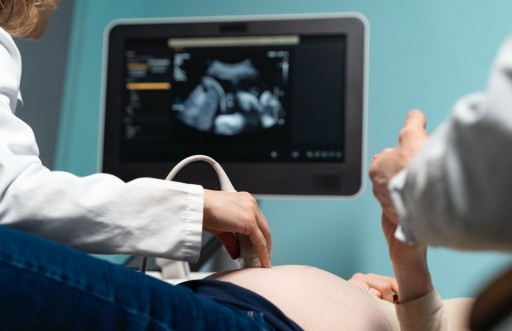
After pregnancy occurs, regular follow-up plays a fundamental role in monitoring the healthy development of both mother and baby. At İRENBE, expectant mothers are closely monitored throughout pregnancy with gestational age-appropriate check-ups, ultrasonographic evaluations, necessary laboratory tests, and detailed information.
Each check-up is considered not only as a medical evaluation but also as an important meeting where the expectant mother’s questions are answered, her needs are listened to, and her sense of trust is supported.
Within the scope of pregnancy follow-up:
Some pregnancies may require closer monitoring due to maternal or fetal reasons. Existing chronic diseases in the expectant mother, advanced maternal age, multiple pregnancies, hypertension or diabetes developing during pregnancy, risk of premature birth, or conditions requiring special monitoring for the baby may be evaluated within the scope of high-risk pregnancy.
At İRENBE, high-risk pregnancies are monitored meticulously with an experienced specialist approach. During this process, a personalized follow-up plan prioritizing the safety of both mother and baby is created.
Main conditions evaluated during high-risk pregnancy follow-up:
|
|
|
|
|
|
|
In pregnancy follow-up, not only medical evaluation but also ensuring that the expectant mother experiences this process consciously, safely, and comfortably is important. Therefore, at İRENBE, counseling support is provided throughout pregnancy regarding lifestyle, nutrition, physical activity, vitamin use, and preparation for birth.
Thanks to this approach, it is aimed for the expectant mother to experience the pregnancy process more consciously, better understand the changes she may encounter, and feel safe.
Main counseling topics include:
The birth process is one of the most important stages of pregnancy follow-up. The decision regarding vaginal birth or cesarean section is evaluated by the specialist physician according to the health condition of the mother and baby, the course of pregnancy, and the medical conditions of delivery.
At İRENBE, the main approach is to create the most appropriate birth plan that prioritizes the safety of both mother and baby by accepting that every birth has its own unique characteristics. The goal is for childbirth to take place under safe and controlled conditions with the opportunities of modern medicine and the support of an experienced team.
In birth planning:
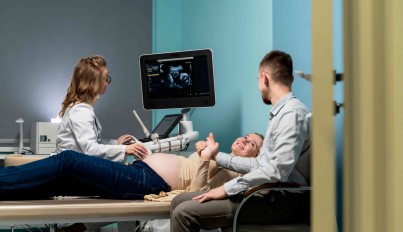









Basic screening and ultrasound evaluations in pregnancy follow-up are planned during specific weeks. During the first trimester screening performed between the 11th and 14th weeks of pregnancy, the gestational week is confirmed, nuchal translucency and the nasal bone are evaluated, and an early fetal anatomy examination is performed. Uterine artery Doppler evaluation (measurement of uterine blood flow and detection of resistance to blood flow, if present) and preventive measures such as aspirin treatment should ideally be performed during the double test period between weeks 11 and 14.
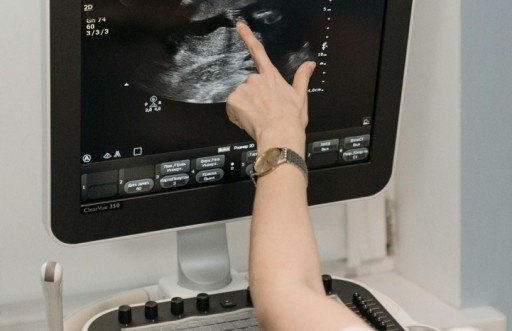
Between the 18th and 24th weeks of pregnancy, a detailed fetal ultrasound and a comprehensive anomaly screening are performed. In some cases, this examination may need to be repeated 2 or 4 weeks later.
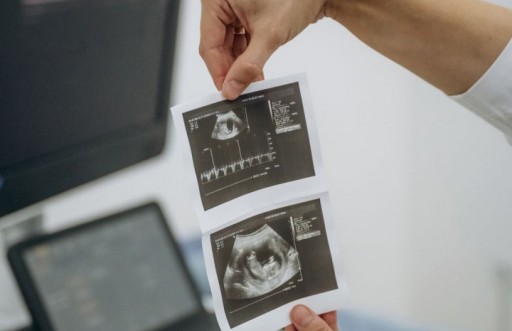
Even in the most detailed examinations performed under optimal conditions, some structural anomalies may not be detected, or certain findings may become apparent in the later weeks of pregnancy. Therefore, it is of great importance to continue pregnancy follow-up at regular intervals.