HPV Information and Follow-Up
With personalized diagnosis and treatment processes, we provide reliable and qualified support in all areas of our healthcare services.

 Türkçe
  English
  Deutsch
  Русский
  العربية

HPV is a virus with more than 100 different types. Although most HPV types are harmless, approximately 40 HPV types cause infections in the genital area. International sources state that nearly 80% of women and men become infected with HPV at some point in their lives. Among HPV types, the ones especially responsible for genital warts are types 6 and 11. Some HPV types are considered high-risk in terms of cancer; types 16, 18, 31, 33, 35, 39, 45, 51, 52, 56, 58, 59, and 68 are included in this group. The highest-risk types are 16 and 18; it has been reported that cervical cancer develops within 10 years in 20% of cases carrying these HPV types. Research has shown that HPV is responsible for 70% of cervical cancers.
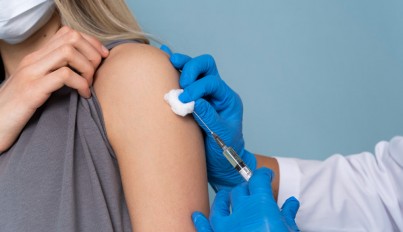
The vaccines currently available in our country are bivalent (against HPV types 16 and 18) and quadrivalent (against HPV types 6, 11, 16, and 18). If a person has already encountered all of these types, vaccination is not considered appropriate. It is expected that a vaccine against 9 HPV types will soon become available in our country as well.
The HPV vaccine does not provide complete protection against cervical cancer. Regular Pap smear follow-ups must definitely continue.
The most important point to keep in mind is this: In general, HPV is absolutely not something to fear or be ashamed of. If HPV is present, physician follow-up, determination of the necessary treatment method, and regular monitoring are essential.